The Enugu State Government has inaugurated the Enugu State Employment Council as part of measures to tackle unemployment, reduce poverty and promote sustainable economic growth.
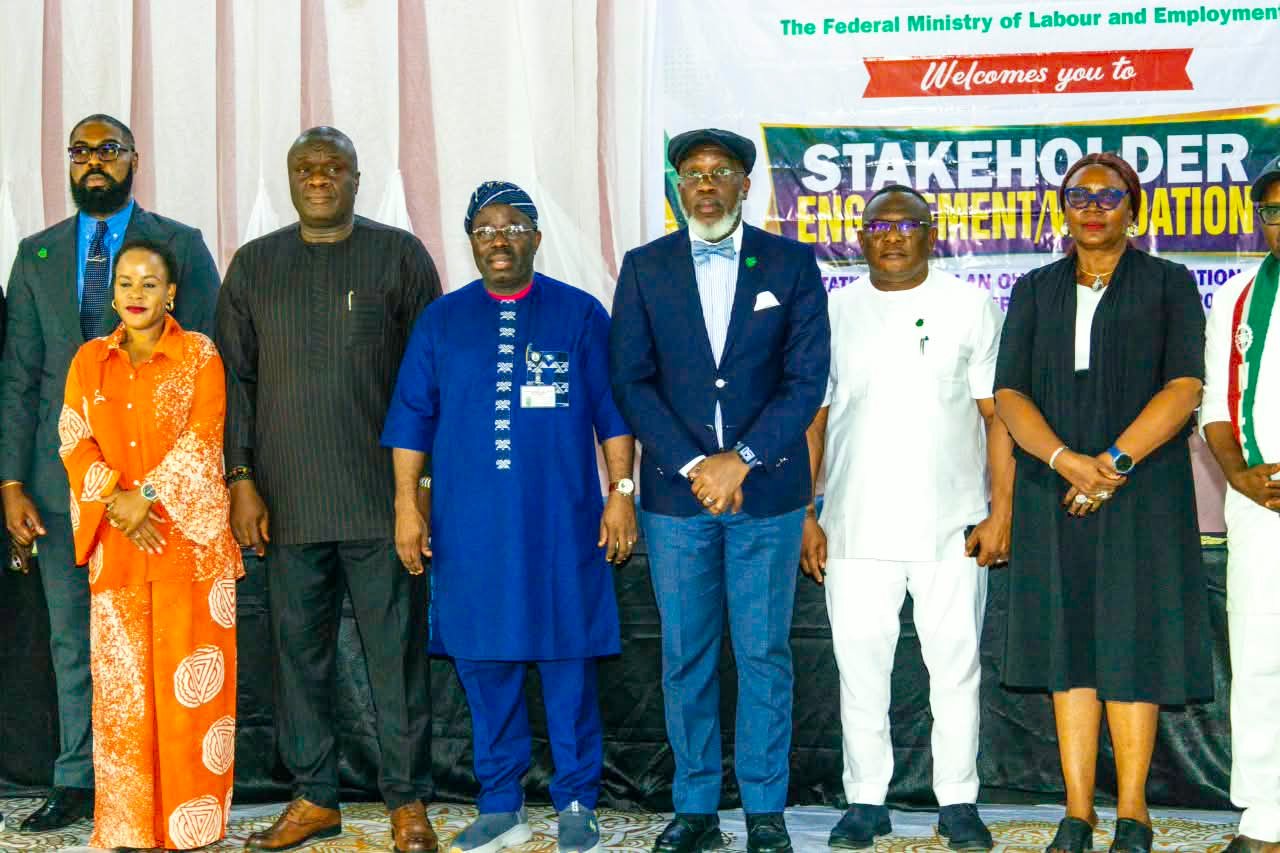
Governor Peter Mbah inaugurated the council on Tuesday, Aug. 18, during the Enugu State Employment Action Plan (E-SEAP) Consultative Meeting and Validation Workshop held at BON Sunshine Hotel, Enugu.
The workshop was organised by the state government in collaboration with the International Labour Organisation (ILO) and the Deutsche Gesellschaft für Internationale Zusammenarbeit (GIZ).
Represented by the Secretary to the State Government, Prof. Chidiebere Onyia, Mbah said Enugu’s selection as one of the pioneering states for the development and validation of the State Employment Action Plan was significant.
He said the plan would provide a framework for tackling unemployment, expanding economic opportunities and strengthening employment governance in the state.
The governor said his administration had implemented interventions in infrastructure, education, healthcare and security to create an enabling environment for businesses and economic activities to thrive.
He assured that the state would continue to work with relevant stakeholders to address labour and employment challenges and create more opportunities for residents.
The Minister of Labour and Employment, Dr Mohammad Maigari Dingyadi, represented by the ministry’s Permanent Secretary, Dr Kamil Shoretire, said the National Employment Policy, launched in 2025, provided a strategic framework for strengthening employment governance across the country.
Dingyadi said all 36 states were expected to develop employment action plans that reflected their economic strengths, labour-market realities and peculiar challenges.
He said the plans would bring government, employers, organised labour and other stakeholders together to develop practical solutions to unemployment and promote sustainable job creation.
The International Labour Organisation Country Director for Nigeria, Ghana, Liberia and Sierra Leone, Vanessa Phala, commended the state government and the Federal Ministry of Labour and Employment for the initiative.
Phala said the establishment of the Employment Council was an important step towards strengthening employment governance and social dialogue in the state.
She said the council would coordinate employment policies across ministries, departments and agencies while promoting collaboration among employers, workers and other stakeholders.
She identified four major areas in the draft E-SEAP as the digital and knowledge economy; creative industries and services; transformation and formalisation of the informal sector; and youth skills development and alignment with Technical and Vocational Education and Training.
Phala said the success of the plan should ultimately be measured by the number and quality of employment opportunities created, particularly for young women and men.
She called for clear institutional responsibilities, adequate funding, reliable data, effective coordination, monitoring and accountability for successful implementation.
The Commissioner for Labour and Employment, Dr Felix Nnamani, described the workshop as a strategic milestone in the state’s employment drive.
Nnamani said the state government had already taken steps to create jobs, citing the employment of 10,000 smart teachers in 2025 under the state’s Smart Schools programme.
He said the establishment of the council would further strengthen collaboration among government agencies, organised labour, employers and development partners in addressing employment challenges.
The workshop, themed “Value-Driven Strategies for Sustainable and Inclusive Economic Growth,” also featured the validation of the Enugu State Employment Action Plan and discussions on strategies for its implementation.
Goodwill messages were delivered by representatives of organised labour and other development partners, including the Nigeria Labour Congress and the Trade Union Congress.