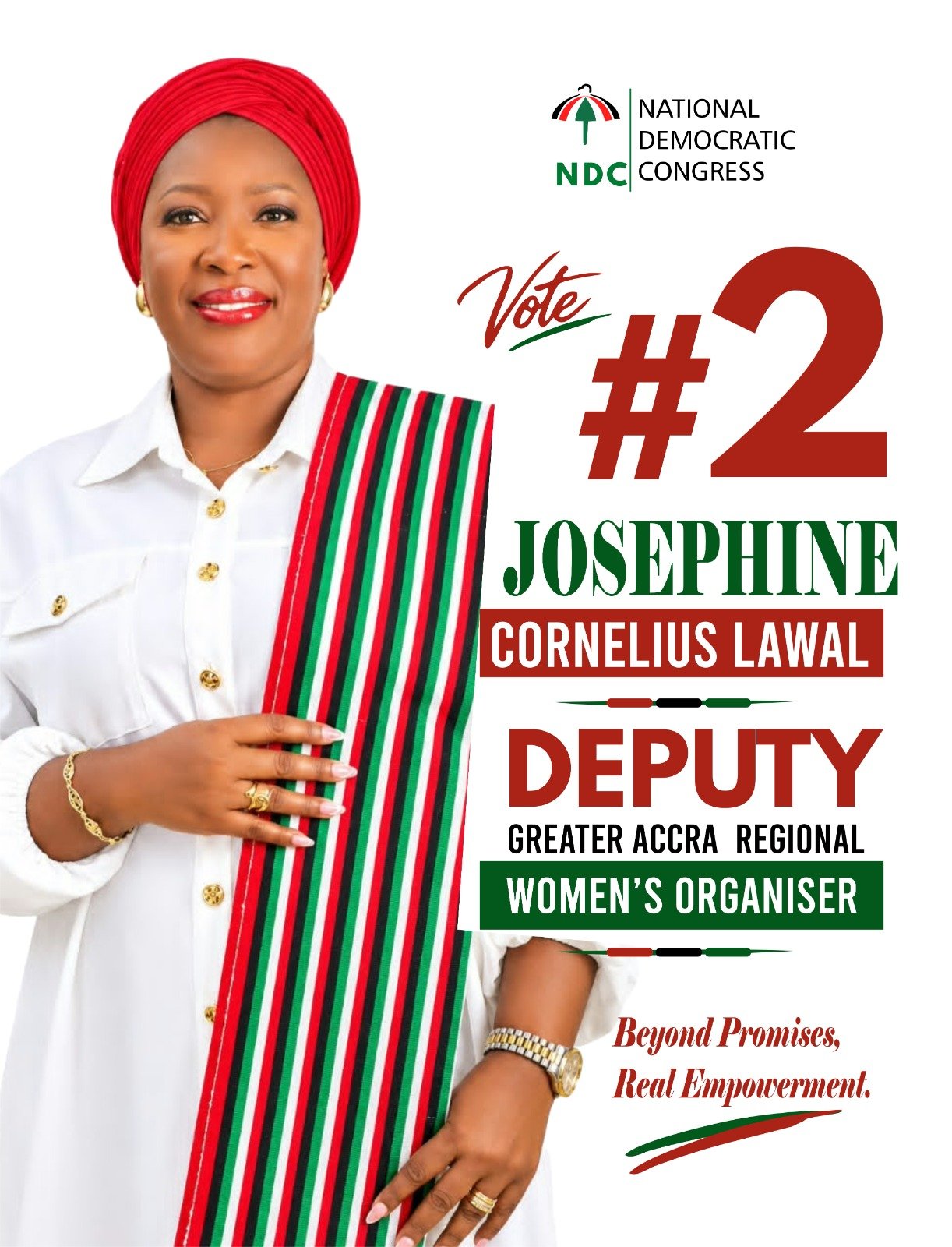
Josephine Cornelius Lawal, popularly known as Joyce Cornelius Oseiwa, has pledged to prioritise women’s economic empowerment, grassroots development and organisational unity as she seeks election as Deputy Greater Accra Regional Women’s Organizer of Ghana’s National Democratic Congress (NDC).
Lawal said her ambition was driven by the need to translate political commitments into practical economic opportunities for women, particularly market traders, small-scale entrepreneurs and party members at the constituency and branch levels.
Speaking in an interview, she said her campaign was anchored on the theme, “Beyond Promises to Real Empowerment,” which she described as a commitment to moving beyond political rhetoric towards tangible interventions capable of improving women’s livelihoods and strengthening their economic independence.
She explained that many women within the party’s grassroots structures continued to face financial constraints that limited their ability to expand businesses, sustain their families and contribute effectively to community development.
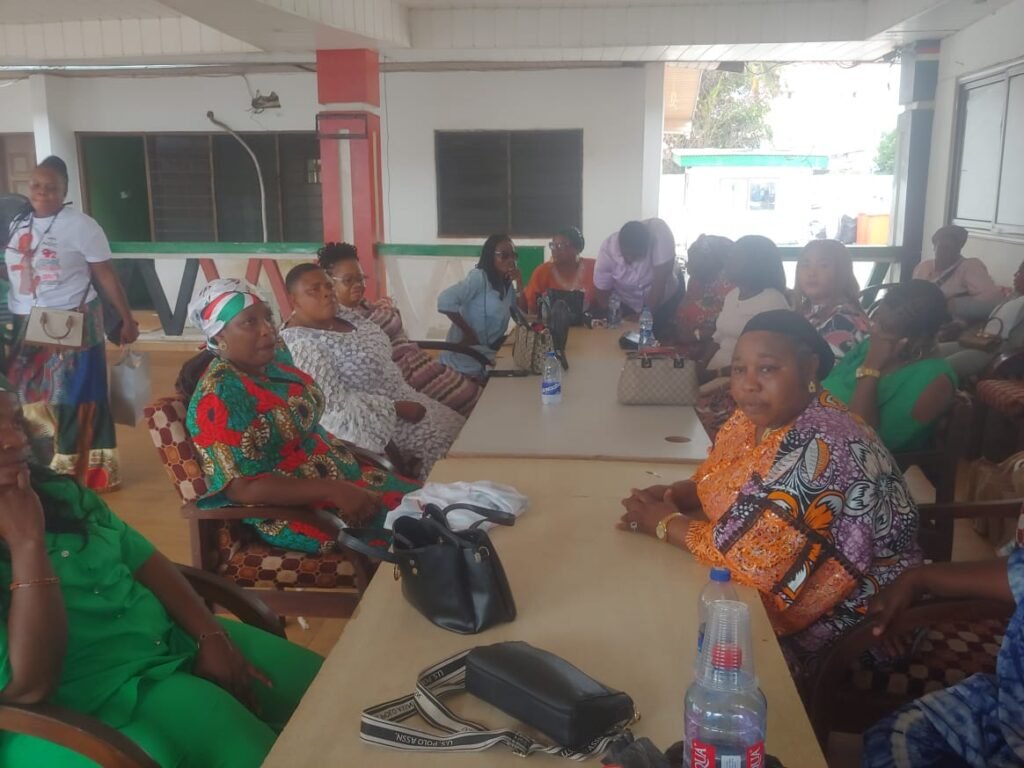
According to her, market women and small-scale business owners require accessible financial support, particularly through interest-free or flexible micro-loan arrangements that would enable them to grow their businesses without being overwhelmed by repayment obligations.
As part of her proposed agenda, Lawal said she would advocate practical financial support mechanisms and sustainable empowerment initiatives designed to improve women’s economic circumstances, strengthen their entrepreneurial capacity and enhance their participation in grassroots political activities.
She maintained that economic empowerment should go beyond occasional financial assistance, stressing the importance of creating support systems that would enable women to achieve lasting financial stability and become more productive within their communities.
Highlighting her political experience, Lawal cited her service as a two-time Constituency Women’s Organizer for Tema Central, describing the experience as an important foundation for her ambition at the regional level.
She said her years of grassroots political engagement had exposed her to the everyday challenges confronting women, particularly the financial difficulties, organisational limitations and coordination gaps affecting party structures at the constituency and branch levels.
Lawal explained that the experience had strengthened her understanding of the need for inclusive leadership that recognises the contributions of women across different levels of the party and provides practical responses to their concerns.
On organisational development, she pledged to work collaboratively with regional and constituency women’s organisers to improve coordination, strengthen existing structures and address challenges affecting the effective functioning of the women’s wing.
She emphasised that unity would remain central to her proposed leadership approach, noting that cooperation, mutual understanding and collective responsibility were necessary to build a more cohesive organisation.
According to her, the women’s wing must move beyond perceptions of internal divisions and embrace an atmosphere of inclusiveness, solidarity and shared purpose capable of strengthening its influence within the party.
She expressed the determination to contribute to a new phase of organisation-building, where women across constituencies and branches would feel represented, supported and actively involved in decision-making processes.
Lawal further maintained that her proposed agenda would place grassroots concerns at the centre of regional engagement, with particular attention to the economic and organisational needs of women who constitute an important part of the party’s support structures.
She expressed confidence that her experience, understanding of grassroots challenges and commitment to women’s development would guide her service if elected, adding that her ambition was to contribute to a stronger, more united and economically empowered women’s wing.