…Compares pledge to incentives for athletes, first-class graduates; accuses media of double standards
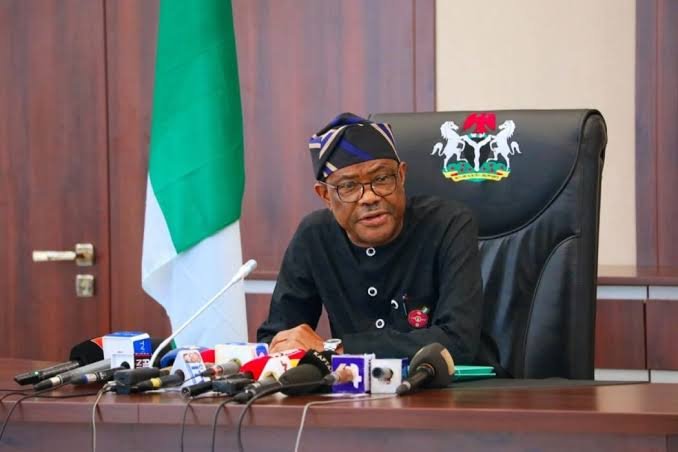
The Minister of the Federal Capital Territory (FCT), Nyesom Wike, has defended his promise to give councillors ₦10 million each for delivering their respective wards to President Bola Tinubu and other All Progressives Congress candidates in the 2027 general elections, insisting that the offer is a reward for political mobilisation and hard work, not an attempt to buy votes.
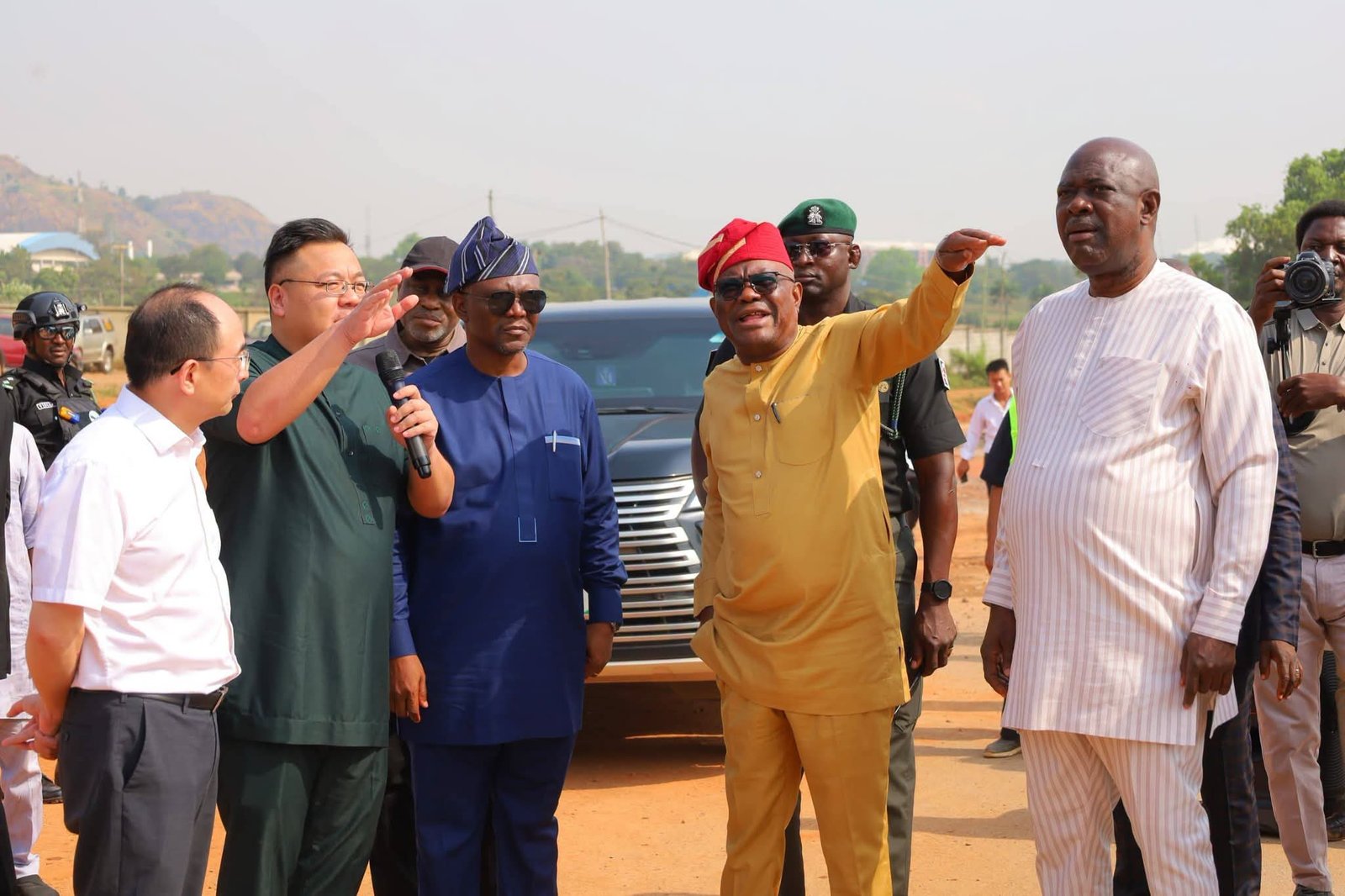
Wike made the clarification on Tuesday while speaking with journalists during an inspection of ongoing infrastructure projects in Abuja.
His comments followed criticism of the financial incentive, which he announced a day earlier at a Rainbow Coalition stakeholders’ meeting in Kwali Area Council of the FCT.
At the meeting, attended by traditional rulers, political stakeholders and residents, the minister had challenged councillors to mobilise support for Tinubu and secure electoral victory for the President in their respective wards.
He promised ₦10 million to every councillor who successfully delivered his ward.
“Any councillor that delivers his ward will get ₦10 million reward. Therefore, go and meet your leaders, go and meet your youth groups, go and consult with associations. Let’s deliver our ward to Mr President,” Wike had said.
The announcement generated criticism, with questions raised about the propriety of offering substantial financial rewards to political office holders based on electoral outcomes, particularly amid concerns over vote-buying and the integrity of the electoral process.
Responding to the criticism, Wike maintained that he never instructed councillors to distribute money to voters or induce them to vote for a particular candidate.
According to him, his directive was for the councillors to work, demonstrate commitment and mobilise political support.
“I didn’t tell them, ‘Take this money and go and buy votes.’ I said, ‘Go and work. Show commitment. Demonstrate that you really mean what you are talking about. When you win, come, and we are going to reward you,’” he said.
The former Rivers State governor argued that critics were confusing a reward for performance with bribery, insisting that political mobilisation required commitment and organisational effort which could legitimately attract incentives.
In a further explanation, Wike said: “It is only trained journalists or reasonable persons who understand the difference between a reward and a bribe.”
He compared the proposed payment to a parent promising a child a house or a brand-new car for graduating from university with a first-class degree, arguing that such a promise was intended to motivate hard work rather than constitute a bribe.
“You tell your son, ‘I want a first class from you. Get a first class, and you get a house or a brand new car. Just go and work hard.’
“That is what we are bringing. I didn’t say take this money and go and buy voters; I said go and work and show commitment,” he explained.
Wike also cited incentives offered to Nigerian athletes ahead of international competitions, particularly the national Under-17 team, as another example of rewards designed to encourage outstanding performance.
He said players had been promised substantial benefits, including land, if they returned from a tournament with the trophy, questioning why a similar arrangement in politics should automatically be regarded as bribery.
“What does that mean? It is an incentive to encourage them to commit themselves and work hard. That is all,” he said.
The minister further offered his interpretation of vote-buying, describing it as the direct payment of money to voters to influence their choices at the polling booth.
“Vote-buying is giving someone money to go and vote for a specific candidate,” he said.
He also criticised sections of the media for what he described as inconsistent treatment of political financing, arguing that media organisations routinely collect substantial sums for campaign advertisements without questioning the source of the money.
“Media houses collect millions for prime-time advertisement slots to let voters know what candidates offer, but when you tell your constituents or party workers you will reward their hard work, critics call it bribery,” Wike said.
He further claimed that political advertisements attracted significant charges, alleging that media organisations received almost ₦5 million per hour, with prime-time rates reaching ₦2.7 million per second.
“When we bring money for campaign advertisements, media organisations collect it without asking where the money is coming from. But when you tell your constituents that you will reward them for their efforts, suddenly it becomes bribery. What about the money collected for political advertisements?” he asked.

Wike urged journalists and political commentators to examine the circumstances surrounding financial incentives in political campaigns, insisting that rewarding party workers and mobilisers for achieving agreed targets should not automatically be equated with paying voters to influence their choices.
He also dismissed allegations that opposition parties were being denied a level playing field to campaign ahead of the 2027 elections, particularly claims relating to access to public facilities and campaign venues.
“Who is not allowing the opposition to campaign? I know they held a rally the other day in a state stadium. In Rivers, I don’t think anybody has complained to you that we are not allowing them to campaign,” he said.
He challenged opposition parties to make use of available facilities to engage voters, adding, “Let them go to the main stadia, mobilise, and talk to the people.”
Beyond the controversy surrounding the ₦10 million pledge, Wike expressed satisfaction with the progress of ongoing infrastructure projects inspected during the tour.
The projects included Interchange Section 2 (ISEX 2), which features bridges along the route linking Area 1 Roundabout to the Games Village; the Southern Parkway, connecting Oladipo Diya Road to Ring Road II; and Arterial Road S1, which links Ring Road II to the FCT Fire Service Station through the Kaura and Gaduwa districts.
The minister said the projects were progressing satisfactorily and were expected to be completed by December 15, ahead of the January 2027 general elections. He also indicated that the FCT Administration was working towards commissioning additional projects before the polls.
Wike maintained that the infrastructure record of the Tinubu administration would form a major part of its campaign message, arguing that residents could assess the government through the visible projects being delivered in the capital.
He said the number of people employed on construction sites and the economic benefits of ongoing infrastructure development were evidence of the administration’s impact.
“Look at the residences here now; look at the number of people that are employed, earning salaries and feeding their families. Our focus is to sell our programmes to the people,” he said.
The minister also dismissed the suggestion that his support for Tinubu was driven solely by party affiliation, saying his priority was national development.
“What I am concerned about is the development of the country. You don’t need to play partisan politics before you contribute your quota to national development. Everybody who wishes this country well will naturally support what the President is doing,” he said.
Wike’s defence comes as political parties and their supporters intensify mobilisation ahead of the 2027 general elections, with the ₦10 million pledge raising fresh questions about the boundaries between political mobilisation, performance-based incentives and financial inducements in Nigeria’s electoral environment.