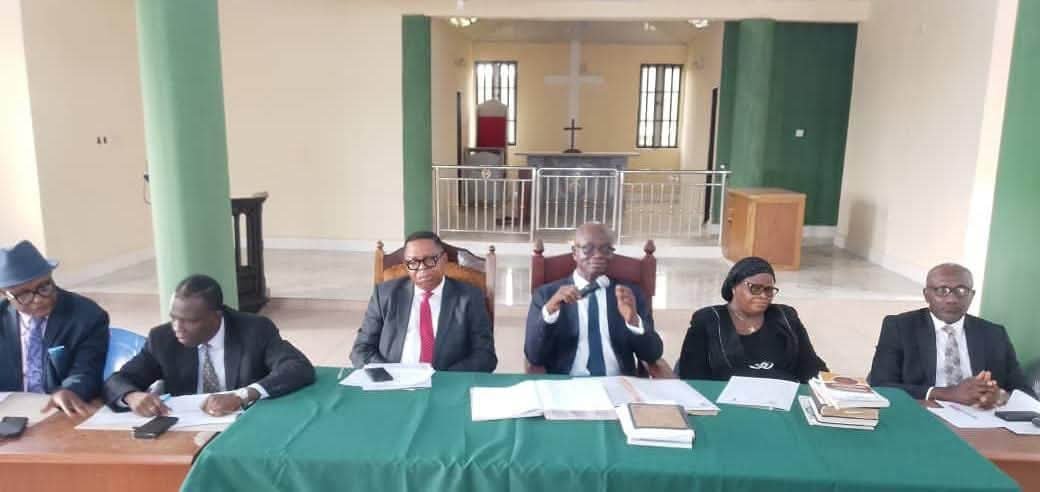

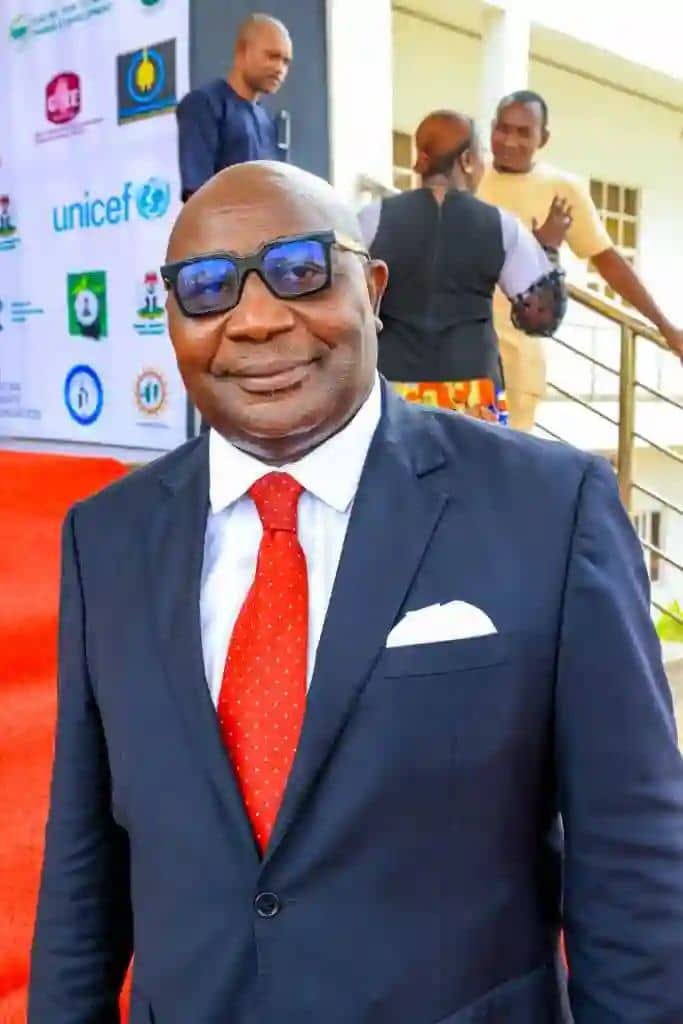
Dr Maxwell Ngene, Acting Head of the Department of Mass Communication, Enugu State University of Science and Technology (ESUT), Agbani, has called for stronger media accountability, editorial independence and improved journalists welfare to restore public confidence in the Nigerian media ahead of the 2027 general elections.
Ngene made the call while delivering the keynote address at the 2026 Press Week of the Nigerian Union of Journalists (NUJ), Enugu State Council, on Thursday in Enugu.
Speaking on the theme, “Media Accountability and the Future of Democratic Trust: Confronting the Crisis of Confidence Ahead of Nigeria’s 2027 Elections,” he emphasised the importance of credible journalism to democratic governance.
He urged journalists to provide accurate and balanced information, scrutinise political actors without bias and resist political interference, sensationalism and brown-envelope practices.
Describing the media as a public institution with the responsibility of informing citizens and holding those in power accountable, Ngene stressed that journalists must also demonstrate accountability in their professional conduct.
“Trust is not something journalists can demand from the public. Trust is earned through consistent professional conduct,” he said.
The academic identified poor remuneration, delayed salaries, inadequate reporting allowances and weak institutional protection as factors that could expose journalists to ethical compromise.
He, however, maintained that economic hardship could not justify professional misconduct, noting that media accountability must also address the working conditions of journalists.
Ngene called on media owners to provide essential working tools, pay salaries promptly, safeguard editorial independence and invest in continuous professional development.
According to him, “A media organisation that demands ethical journalism from its employees must also demonstrate ethical responsibility towards those employees.”
He further warned that political patronage, ownership interests and commercial pressures could undermine editorial independence and compromise the credibility of media organisations.
He also noted that increasing workloads associated with digital publishing and the adoption of artificial intelligence had introduced additional concerns about journalists’ welfare, professional development and job security.
Citing Sections 22 and 39 of the 1999 Constitution, as amended, Ngene said the media had a constitutional responsibility to hold government accountable, while freedom of expression and the right to receive and impart information must be protected.
He cautioned that the constitutional responsibility of the media did not give government the authority to dictate editorial positions or interfere with independent journalism.
On public confidence in the media, Ngene referenced the Reuters Institute for the Study of Journalism’s Digital News Report 2026, which, according to him, recorded a 68 per cent news-trust score among surveyed online respondents in Nigeria.
He also cited the report’s finding that 63 per cent of the respondents sometimes or often avoided the news, cautioning against generalising the findings to represent the entire Nigerian population.
To address the credibility challenge, the lecturer recommended the establishment of newsroom fact-checking desks, transparent correction policies, disclosure of editorial ownership interests and stronger enforcement of the NUJ Code of Ethics.
He further urged media organisations to ensure consistent and impartial scrutiny of all political parties and their candidates as the country approaches the 2027 general elections.
Ngene also commended the Nigerian Guild of Editors for its initiative to encourage the establishment of dedicated fact-checking desks in newsrooms, describing evidence-based journalism as essential to rebuilding public confidence.
He stressed that media freedom, professional accountability and journalists’ welfare must advance together, warning that demanding ethical journalism without providing decent working conditions could undermine the sustainability of the profession.
“A free, independent and economically sustainable press is the best guarantee of a responsible one, and a responsible press is the best defence of democratic trust,” he said.