AWKA — The Anambra State AIDS Control Agency (ANSACA) has launched a campus-based HIV response initiative across 27 tertiary institutions in the state to strengthen HIV prevention, awareness and support services for adolescents and young people.
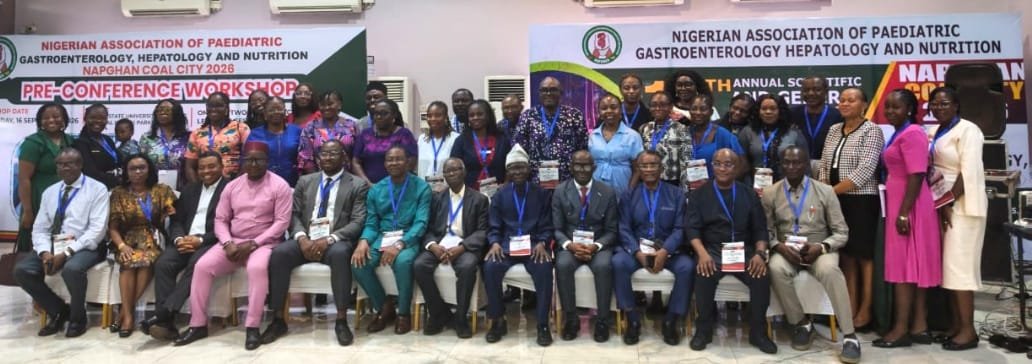
The initiative, known as the Campus Action Committee on AIDS (CACA), was unveiled in Awka during the inauguration of HIV focal persons from the participating institutions. Each institution is represented by two focal persons — a lecturer representing the school authority and a student representative.
The participating institutions cut across universities, polytechnics, colleges of education, colleges of nursing and schools of nursing, including government-owned, private and mission-owned institutions. Under the programme, each institution is expected to establish campus committees comprising students drawn from different departments and academic levels.
Speaking at the launch, the Executive Director and Project Manager of ANSACA, Dr Nkem Okeke, said the agency would train and formally inaugurate the committees to ensure that their activities complied with professional and ethical standards. He said ANSACA was strengthening its engagement with tertiary institutions to deepen HIV prevention, awareness and control among young people.
Okeke said CACA would provide a dedicated campus-level structure within Anambra’s HIV response system, complementing existing mechanisms at the national, state, local government and ward levels.
“If we are able to secure this age group, it means that we have secured the elderly population, the coming future generations and those coming up,” he said.
The ANSACA boss acknowledged the support of Anambra State Governor, Prof. Chukwuma Charles Soludo, describing the administration’s renewed commitment to HIV prevention and control as critical to expanding interventions across the state.
He said the inauguration of the focal persons marked the beginning of the next phase of establishing and strengthening CACA structures in the 27 institutions.
The Chairman of the Action Committee on the ANSACA Tertiary Institution HIV Response Programme, Mr Emeka Nwabunwanne, also urged the focal persons to regard themselves as important building blocks of the HIV response in their respective institutions and help sustain prevention, awareness and support activities on campus.
The development is part of ANSACA’s broader youth-focused HIV strategy, which includes youth-friendly prevention, testing and counselling services, PrEP and PEP awareness, condom education, telehealth and campus-based outreach programmes.
The agency has identified greater youth participation as critical to achieving the goal of zero new HIV infections by 2030.
With the focal persons now inaugurated, ANSACA is expected to begin training and formally establishing the Campus Action Committees across the participating institutions, strengthening student participation in HIV prevention and ensuring that accurate information and appropriate support reach young people within the campuses.