ENUGU — Emeritus Prof. Bede Ibe has urged Nigerians to promote locally prepared nutritious foods to tackle child malnutrition and stunted growth.
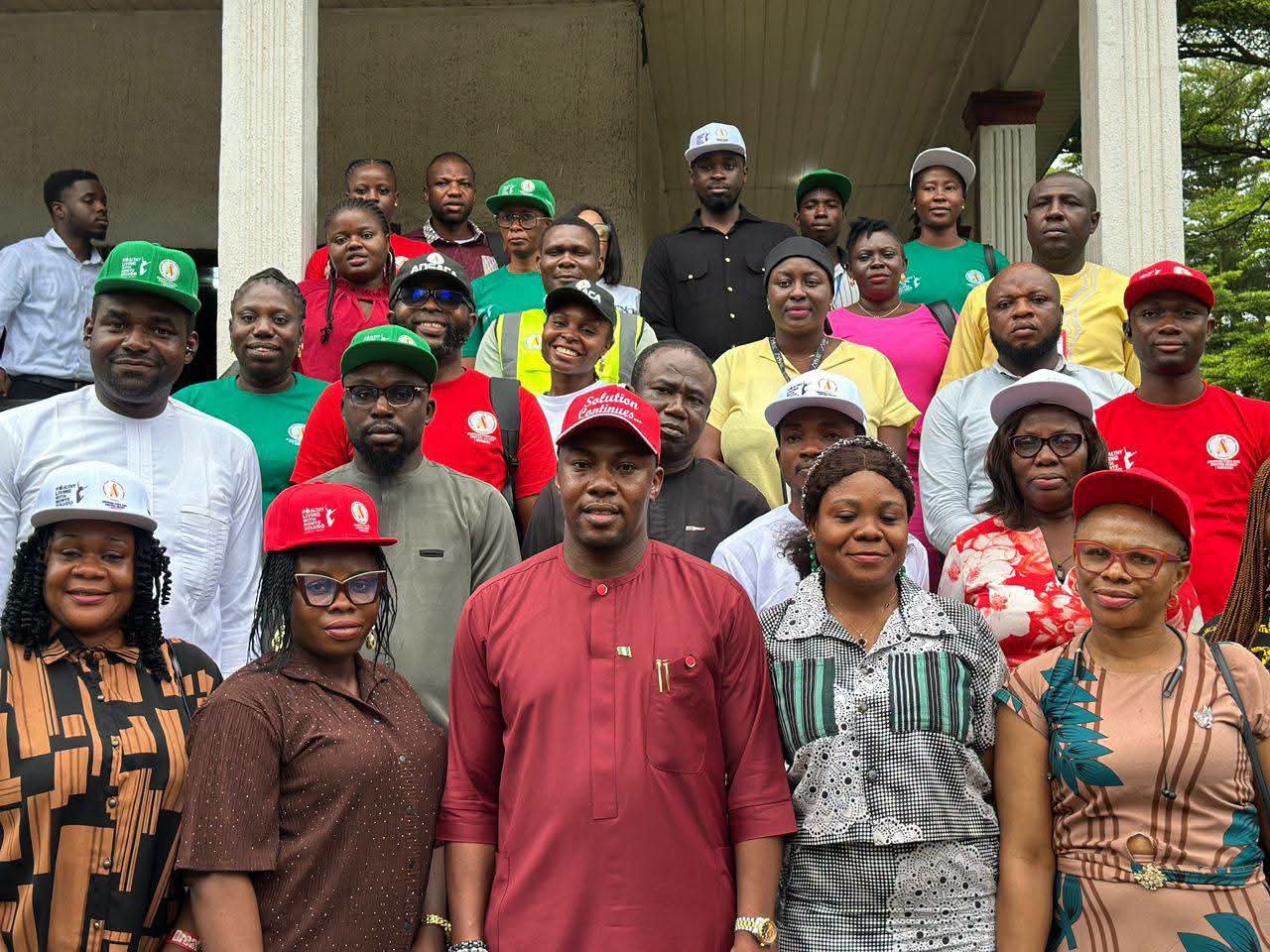
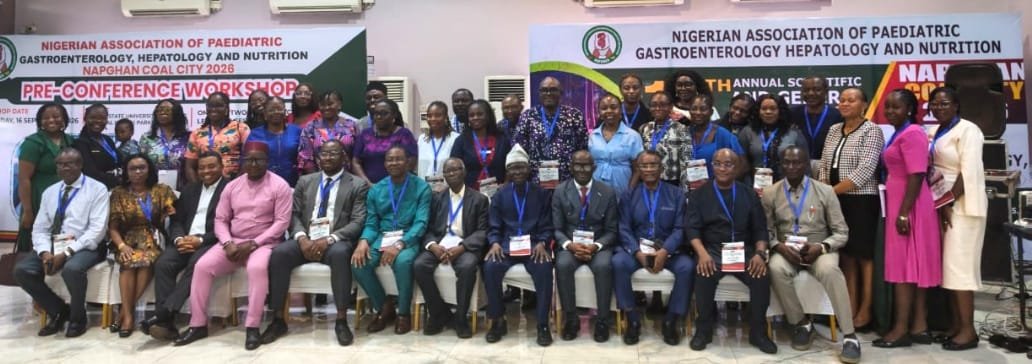
Ibe made the call on Thursday in Enugu at the 12th Annual General Meeting and Scientific Conference of the Nigerian Association of Paediatric Gastroenterology, Hepatology and Nutrition (NAPGHAN), tagged “NAPGHAN Coal City 2026”.
The four-day conference is themed: “Global Evidence, Local Solutions: Advancing Paediatric Gastroenterology, Hepatology and Nutrition in Nigeria.”
Ibe, a recently retired lecturer in the Department of Paediatrics, University of Nigeria Teaching Hospital (UNTH), Enugu, said dependence on foreign-packaged and therapeutic foods was neither sustainable nor in the best interest of Nigerian children.
“We know that the economic downturn affecting families has led to rising malnutrition and stunted growth among children, but we can convert the situation into an advantage by looking inwards,” he said.
He called for stronger exclusive breastfeeding, followed after about six months by locally prepared complementary foods containing locally available food components, vegetables and fruits.
“Once matured enough, home-made or cooked food with all the local food components, vegetables and fruits should be given to children as they go to school and even in school where school feeding is available,” Ibe said.
He also advocated the use of locally prepared foods in treating malnutrition and urged governments, organisations and communities to support local industries to produce therapeutic foods and nutritious snacks from locally sourced ingredients.
“This will encourage farming and food production as industries will turn these local foods to therapeutic foods and snacks that families and even children can easily buy and eat for optimal health,” he said.
Ibe said Nigeria should not allow donors to impose foreign-packaged food solutions, but should instead encourage support for indigenous nutritious foods.
He added that greater reliance on foreign therapeutic and ready-made foods could expose the country to possible future side effects, making locally developed alternatives more sustainable.
The President of NAPGHAN, Prof. Felix Akinbami, called for collaboration between government and professional associations to develop indigenous policies and programmes to tackle child malnutrition.
Akinbami said the challenge was worsening amid Nigeria’s large under-18 population, difficult economic conditions and limited awareness of the benefits of locally prepared foods.
He said the conference would also examine Hepatitis B among children and gut-brain dysfunctions, adding that a communiqué would be issued to promote best clinical practices in health facilities.
The Chairman of the Local Organising Committee, Dr Tony Onyia, said the conference had attracted experienced panelists from around the world to provide professional and clinical perspectives.
Onyia, who is also Deputy Chairman of the Medical Advisory Committee of UNTH, said the conference offered opportunities for networking and building new partnerships.
He encouraged participants to explore Enugu and its cultural heritage, while commending the sponsors, UNTH Chief Medical Director, Prof. Obinna Onodugo, and members of the organising committee for their support and teamwork.