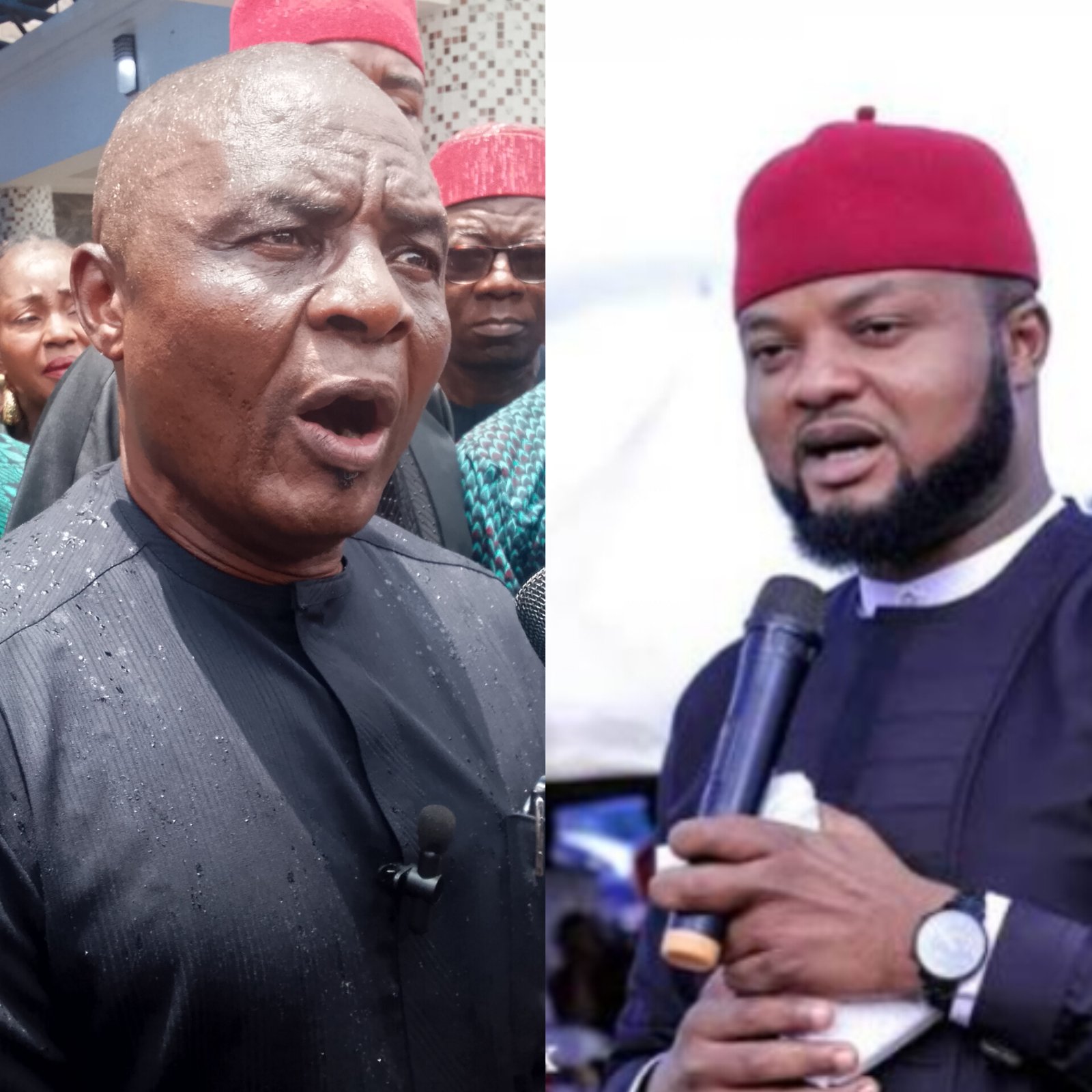
The Governorship Candidate of the Nigeria Democratic Congress, NDC, in Enugu State, Chinyeaka Ohaa, has opposed a proposed law on crowd control and management, saying it could restrict the constitutional right to peaceful assembly.
The proposed Enugu State Crowd Control and Management Agency Bill, 2026, is sponsored by Chima Obieze, the lawmaker representing Ezeagu Constituency in the state House of Assembly.
In a statement issued in Enugu and signed by his Media Aide, Sampson Ukwu, Mr Ohaa alleged that the bill would require organisers of gatherings involving 100 people or more, including political meetings, to obtain approval from a government-appointed agency.
He said such a requirement could place peaceful gatherings under excessive government control and undermine Section 40 of Nigeria’s 1999 Constitution, which guarantees the right to peaceful assembly and association.
Mr Ohaa also referred to alleged attacks on NDC members at Obuoffia in Nkanu West and what he described as attempts to malign him, saying the proposed legislation could further constrain opposition activities in the state.
“This proposed Bill exposes the fear in the heart of the current administration. When a government begins to legislate against the people’s right to gather, it is an admission of failure. We will not be intimidated. Ndi Enugu have the right to meet, to discuss their future, and to choose their leaders freely. My administration will protect, not criminalise, the people’s right to assemble,” Mr Ohaa said.
He called on residents, civil society organisations and the Nigerian Bar Association, NBA, to oppose what he described as a “draconian” bill, saying the NDC remained committed to its “MEGA agenda — Make Enugu Great Again”.
Mr Obieze, however, has rejected the NDC’s interpretation of the proposed legislation.
He said the bill was not intended to ban or criminalise peaceful gatherings or require permits for ordinary social events, but to establish safety and accountability standards for organisers of large gatherings.
Under the proposed framework, organisers would be responsible for measures including adequate entry and exit points, crowd-control arrangements, first-aid facilities, fire-safety equipment, traffic management and protection of vulnerable people.
Mr Obieze specifically denied claims that the bill would require government permits for weddings, burials, birthdays or traditional Umunna meetings.
“The post claims my Bill requires government permit for weddings, burials, birthdays and Umunna meetings. This is false,” he said.
“At no point does the Bill say you need a permit from Government to do a burial or wedding. It says BE RESPONSIBLE FOR YOUR CROWD,” Mr Obieze added.
He said the proposed framework would apply to large gatherings, including government programmes, political rallies, opposition events, religious crusades, festivals, carnivals and other events where crowd management and public safety are concerns.
Mr Obieze also argued that the constitutional right to peaceful assembly is subject to lawful restrictions in circumstances permitted by the Constitution, including considerations of public safety, public order and public health.
The dispute has also drawn a response from the Forum of Former Members of the Enugu State House of Assembly, led by Denge Josef Onoh, which has called for the withdrawal of the proposed bill.
The former lawmakers acknowledged the stated public-safety objective but raised concerns that some of its provisions could conflict with constitutionally protected freedoms.
The disagreement therefore centres on how the proposed law would operate in practice.
While Mr Ohaa and the NDC argue that its approval requirements could place political and other peaceful gatherings under excessive government control, Mr Obieze maintains that the legislation is primarily a crowd-safety framework designed to make organisers responsible for managing large gatherings rather than imposing permits on ordinary private ceremonies.
![US publishes names, photos of 24 Nigerians to be deported [FULL LIST]](https://frontlineafrica.com.ng/wp-content/uploads/2026/10/united-states-flag.jpg)