The presidential candidate of the Nigeria Democratic Congress (NDC), Mr Peter Obi, has urged Nigerians to invest in education, describing it as a fundamental requirement for national development and a responsibility that should not be left to government alone.
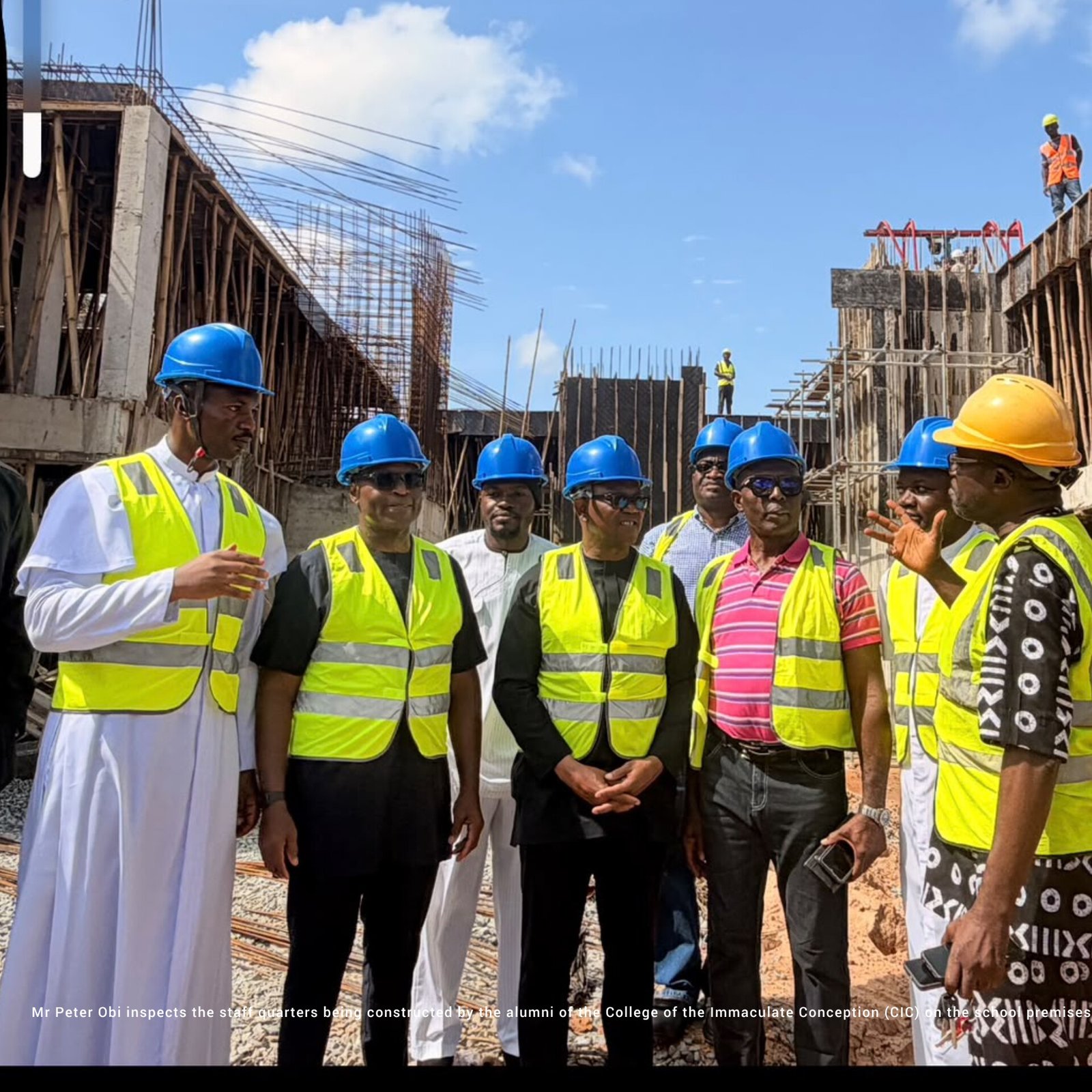
Obi made the call during a visit to the College of the Immaculate Conception (CIC), Enugu, where he inspected infrastructure projects executed by the school’s alumni association.
The former Anambra State governor commended the association for its commitment to improving educational facilities and creating better learning opportunities for future generations.
He said the projects demonstrated how individuals could contribute to national development by working collectively to address critical needs in educational institutions.
According to Obi, investment in education remains one of the most important ways to secure Nigeria’s future, adding that the responsibility requires sustained contributions from governments, communities, organisations and individuals.
He stressed that educational development should not depend solely on the financial capacity of government or a few wealthy individuals but should involve collective participation and a shared commitment to improving the quality of learning.
Obi particularly praised the CIC Alumni Association, led by its president, Dr Valentine Ozoigbo, a United States-based Nigerian medical doctor, for undertaking several major projects within the institution.
The projects include a multipurpose hall, a dormitory complex and a sports complex, alongside an ongoing five-storey building intended to provide accommodation for members of staff.
He expressed satisfaction with the association’s achievements and its willingness to consider additional projects despite the significant investments already made.
The NDC presidential candidate urged alumni associations across Nigeria to emulate the initiative by identifying infrastructure gaps and other pressing needs in their former schools.
He maintained that consistent contributions from former students could significantly improve educational facilities, create a more conducive learning environment and reduce the pressure on government resources.
Obi also emphasised that people who benefited from educational institutions had a moral responsibility to support their development and ensure that younger generations enjoyed better opportunities.
He noted that meaningful contributions did not necessarily depend on the wealth of individual benefactors but on the willingness of people to work together and sustain their commitment to a common goal.
Addressing the students, Obi urged them to take their education seriously, remain disciplined and develop the values necessary to become responsible citizens.
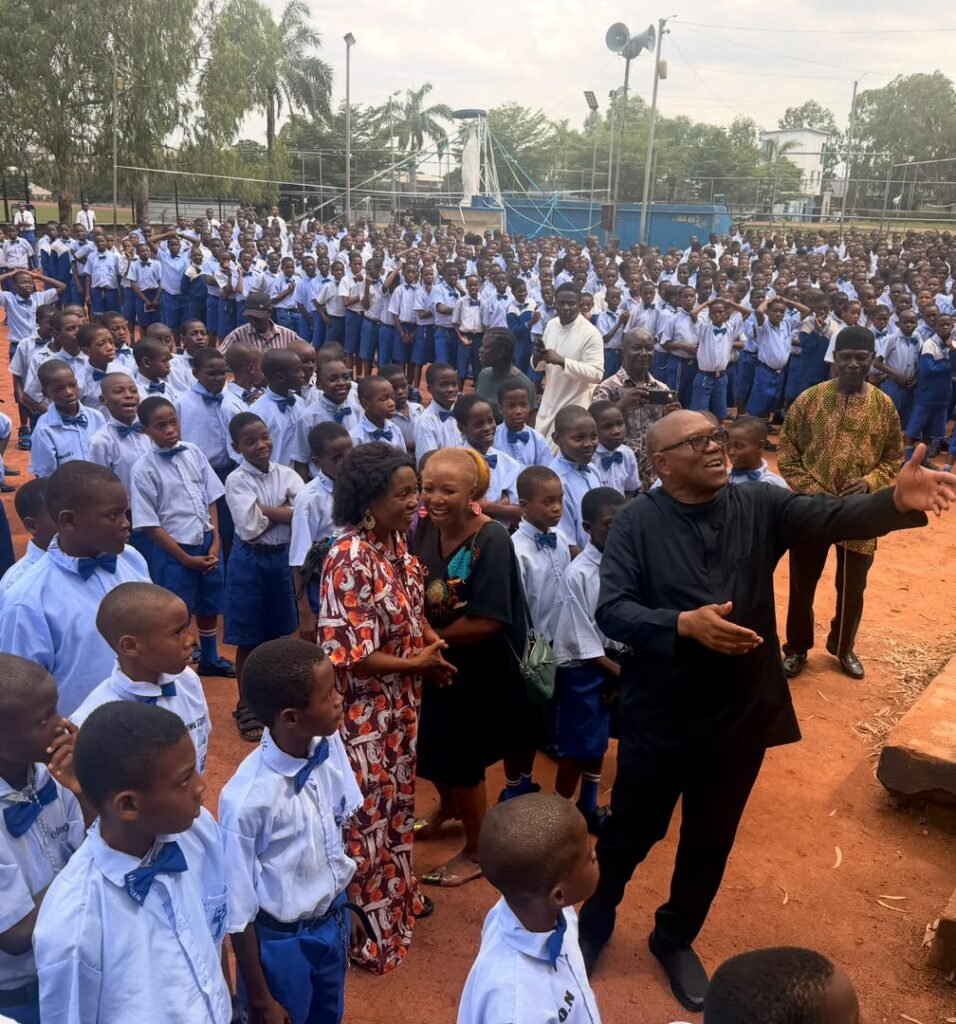
He encouraged them to respect their teachers and appreciate the sacrifices educators make in shaping their character and academic development.
According to him, education should extend beyond classroom instruction and the acquisition of certificates to include the development of character, practical skills and the ability to contribute meaningfully to society.
He also advised the students to maintain relationships with their teachers after graduation, noting that the guidance and values acquired during their school years could continue to influence their lives long after leaving the institution.
Obi commended the school’s teachers for their dedication to maintaining discipline and cleanliness, describing their efforts as essential to creating an environment conducive to effective teaching and learning.
Obi reiterated that sustainable educational development required active participation from all sectors of society, including governments, alumni associations, private organisations, communities and individuals.
He maintained that the opportunities available to children would significantly influence Nigeria’s future, stressing that the country must prioritise investments that improve human capital and expand access to quality education.
The NDC presidential candidate also reaffirmed his position that education, healthcare and poverty reduction should remain central to Nigeria’s development priorities.
He said sustainable national progress depended on deliberate investments in people, effective policies and collective efforts to create opportunities for citizens to fulfil their potential.
Earlier, the school’s principal, Rev. Fr. Oliver Ngwu, expressed appreciation to Obi for his sustained interest in educational development.
Ngwu said the former governor had consistently demonstrated his commitment to education through advocacy and practical interventions, adding that his visit reflected the importance of encouraging initiatives aimed at improving schools.
Also speaking, the President of the CIC Alumni Association, Dr Valentine Ozoigbo, thanked Obi for accepting the invitation to inspect the association’s projects.
Ozoigbo said he was particularly impressed by Obi’s willingness to accompany the delegation around the school and personally assess the completed and ongoing facilities.
He described the visit as an encouragement to the association and a recognition of its efforts to improve infrastructure and strengthen the institution’s capacity to provide quality education.