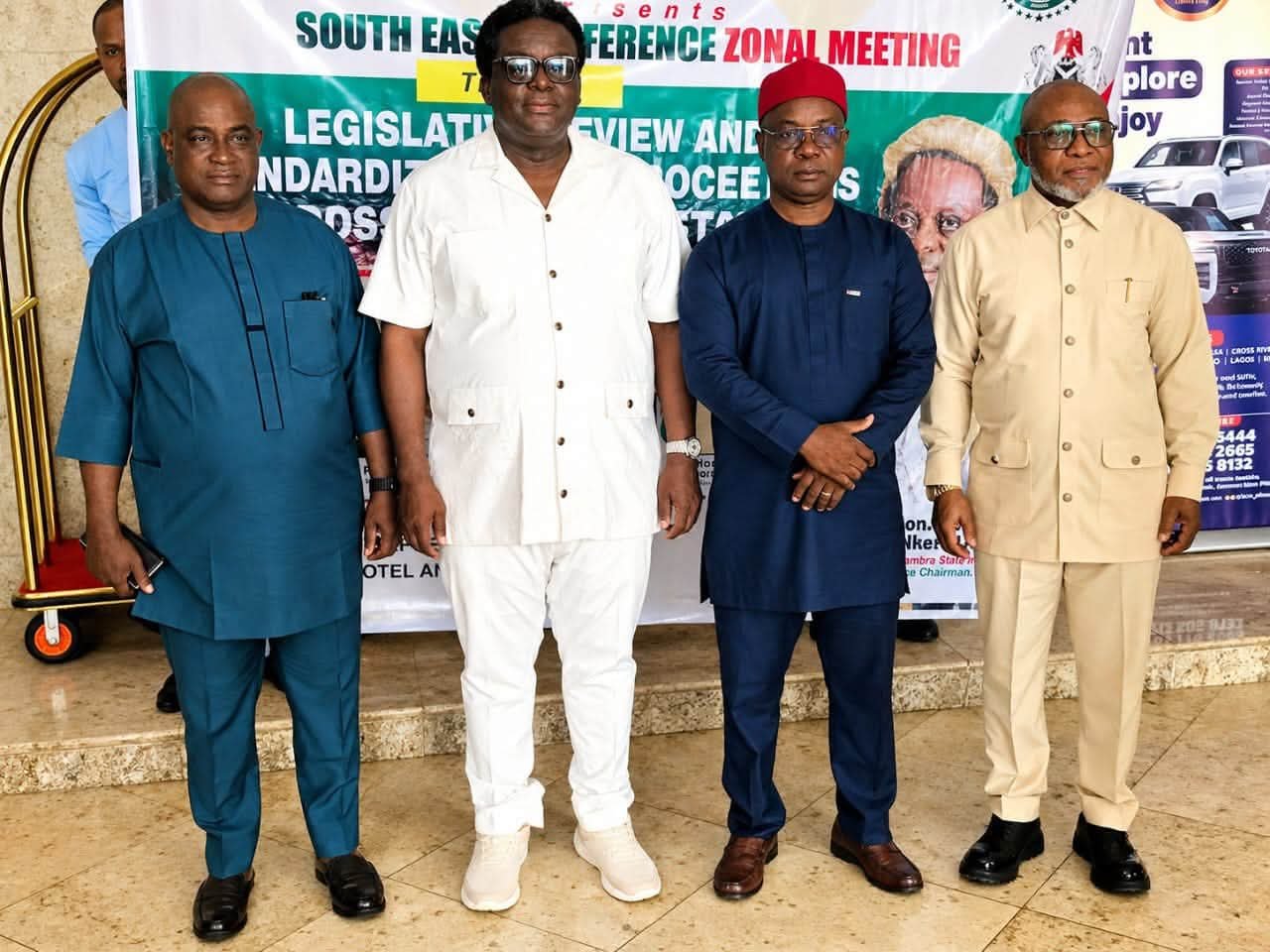
Speakers of the five South-East State Houses of Assembly have called for stronger legislative cooperation and the harmonisation of procedures to improve lawmaking and service delivery across the region.
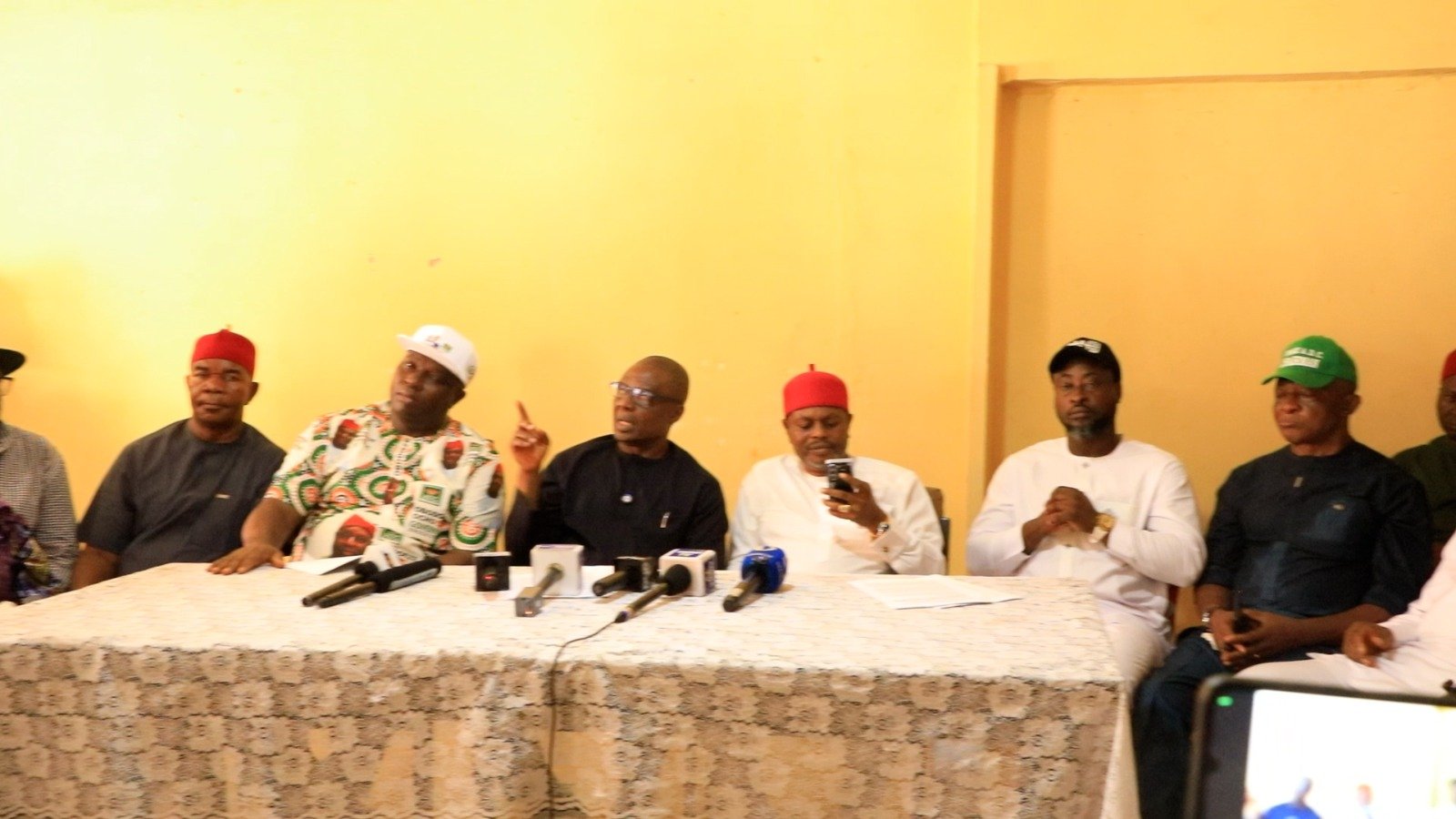
The speakers made the call at the South-East Zonal Meeting of the Conference of Speakers of State Legislatures of Nigeria held in Awka, Anambra State.
The meeting was hosted by the Anambra State House of Assembly and themed, “Legislative Review and Standardisation of Procedures Across South-East States.”
The Speaker of the Anambra State House of Assembly and Zonal Vice Chairman of the conference, Somtochukwu Udeze, said legislative standardisation should not amount to imposing identical laws on the states, but should establish minimum professional standards for lawmaking while preserving the constitutional autonomy of each legislature.
Udeze said the five legislatures needed structured institutional cooperation to facilitate comparative review of laws, legislative research, development of model bills and joint consideration of issues with regional implications.
He also advocated stronger post-enactment review to determine whether laws remained relevant and effective.
He said stronger legislative coordination was particularly necessary in areas such as environmental regulation, transportation, trade, investment, digital governance, waste management and emergency response, noting that differences in regulatory standards should not unnecessarily hinder residents and businesses operating across the region.
In a paper titled “Security Challenges, Constitutional Review and State Policing in Nigeria: The Role of State Legislatures,” a former Clerk of the Anambra State House of Assembly, Chief Pius Udoh, urged lawmakers to play an active role in discussions on constitutional reform and state policing.
Udoh identified terrorism, kidnapping, banditry, farmer-herder and communal conflicts, cybercrime, armed robbery and human trafficking among the security challenges confronting Nigeria.
He said state policing could strengthen intelligence gathering and security response because personnel would have greater knowledge of local communities, languages, customs and geography.
He, however, identified political interference, human-rights abuses, inadequate funding and possible conflicts between federal and state police as concerns requiring careful legislative safeguards.
He called for effective oversight, merit-based recruitment, professional training and political neutrality in developing state-policing frameworks.
The meeting was attended by the Speaker of the Enugu State House of Assembly, Uche Ugwu; his Ebonyi State counterpart, Moses Odunwa; and Emmanuel Emeruwa, among other legislators and officials.