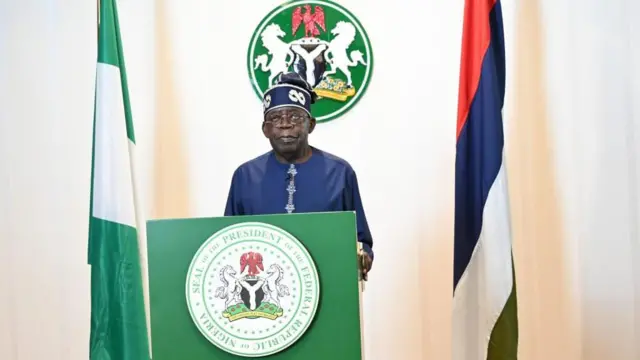
President Bola Tinubu has requested the approval of the Senate for a supplementary external borrowing plan worth $20.52bn and €1.045bn to finance infrastructure development, economic growth and other critical projects across Nigeria between 2026 and 2027.
The proposed loans are expected to fund interventions in power, transportation, agriculture, healthcare, education, water supply, security, employment generation and financial management reforms across the 36 states and the Federal Capital Territory.
The President’s request was contained in a letter addressed to the President of the Senate, Godswill Akpabio, and read during Tuesday’s plenary.
The letter, titled Federal Government 2026–2027 Supplementary External Borrowing Plans, sought the National Assembly’s early approval to facilitate the timely release of funds and implementation of projects identified by the Federal Government.
Tinubu explained that the proposed borrowing had become necessary to bridge Nigeria’s infrastructure financing gap, accelerate economic development, stimulate investment and improve the living conditions of Nigerians.
According to the President, the proposed external financing facilities amount to $20,517,755,901 and €1,045,083,643, respectively.
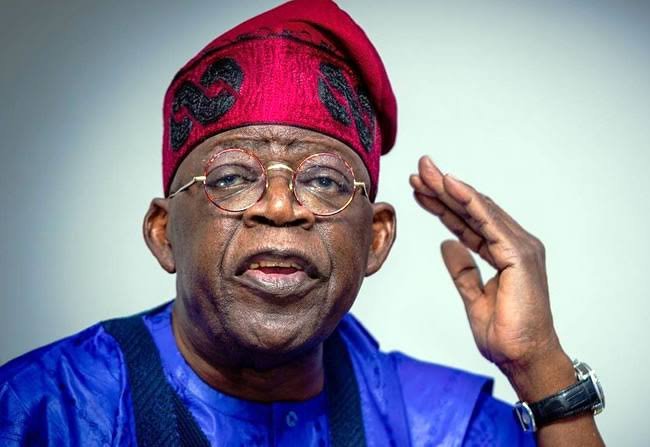
He maintained that the projects included in the borrowing plan were selected following technical and economic evaluations, taking into consideration their potential contributions to national development.
Tinubu Defends Borrowing Plan
In his letter to the lawmakers, Tinubu said the supplementary borrowing proposal was designed to support projects and programmes covering major sectors of the Nigerian economy.
He identified infrastructure development, agriculture, healthcare, education, water supply, economic growth, security and employment generation as priority areas.
The President also listed financial management reforms among the initiatives expected to benefit from the proposed external financing.
Tinubu said the government considered the investments necessary to address longstanding development challenges and strengthen the country’s economic foundations.
He explained that the projects were expected to stimulate economic activities, generate employment opportunities, encourage entrepreneurship and promote skills acquisition among Nigerians.
The President added that the proposed interventions would contribute to poverty reduction, improved food security and better living conditions, particularly for children and vulnerable households.
According to him, the borrowing plan reflects the administration’s determination to accelerate national development through investments in critical infrastructure and public services.
Projects to Cover 36 States, FCT
The President disclosed that most of the projects and programmes under the proposed borrowing plan would be implemented across Nigeria’s 36 states and the Federal Capital Territory.
He explained that the nationwide distribution of the projects was intended to address infrastructure deficits and development needs across the federation.
Tinubu maintained that the scale of Nigeria’s infrastructure challenges and the financial resources required to address them had made additional external borrowing necessary.
He argued that relying solely on existing government resources would be insufficient to finance the level of investment required to close the country’s infrastructure gap.
The President therefore sought legislative approval for broader external financing arrangements to support the implementation of development programmes.
He identified power, transportation and healthcare as some of the sectors expected to receive significant attention under the borrowing plan.
According to him, investments in these areas would strengthen essential public services, support economic productivity and improve the quality of life of Nigerians.
Loans Target Jobs, Poverty Reduction, Food Security
Tinubu further explained that the proposed investments were expected to produce economic and social benefits beyond the construction of physical infrastructure.
He said the projects would support employment generation, entrepreneurship, skills development and agricultural productivity.
The President identified poverty reduction and food security as important objectives of the proposed financing programme.
He maintained that the initiatives would help create economic opportunities for Nigerians while strengthening the country’s capacity to respond to development challenges.
The administration also expects the proposed interventions to stimulate business activities and support sustainable economic growth.
Tinubu argued that investments in critical infrastructure would create an enabling environment for businesses, encourage productive activities and improve access to essential services.
He said the anticipated benefits informed the government’s decision to include the projects in the supplementary external borrowing plan.
President Seeks Urgent Legislative Approval
The President urged the National Assembly to give the borrowing proposal urgent consideration, citing the need to accelerate project implementation and address pressing national development challenges.
He maintained that prompt approval would enable the Federal Government to access the proposed financing facilities and proceed with the planned interventions.
According to Tinubu, delays in securing legislative approval could affect the timely disbursement of funds and implementation of projects.
He said the request was particularly important in view of the administration’s economic reform agenda and efforts to stabilise the national economy.
The President expressed confidence that the proposed financing would support the government’s development objectives and strengthen its capacity to deliver essential infrastructure and services.
He therefore appealed to the leadership and members of the National Assembly to approve the borrowing plan to facilitate the execution of the projects.
Senate Refers Request to Debt Committee
Following the presentation of the President’s letter, Senate President Godswill Akpabio referred the request to the Senate Committee on Local and Foreign Debts for further legislative consideration.
The committee was directed to examine the proposed borrowing plan and report its findings to the Senate within one week.
Akpabio indicated that the committee could collaborate with the Senate Committee on Appropriations and other relevant committees in reviewing the request.
The legislative review is expected to consider the proposed external financing facilities, their development objectives and the implications for Nigeria’s borrowing obligations.
The Senate Committee on Local and Foreign Debts will be responsible for examining the proposal and making recommendations to the chamber.
The borrowing request remains subject to legislative consideration and has not yet received final approval.
Loan Terms, Project Breakdown Not Disclosed
Although the President’s letter outlined the sectors expected to benefit from the proposed financing, the version presented during plenary did not provide a detailed project-by-project breakdown.
Specific financing terms, including interest rates, repayment periods, participating lenders and the amounts allocated to individual sectors, were also not disclosed in the reported presentation.
However, the President stated that a summary breakdown of the proposed facilities accompanied the borrowing request.
The absence of detailed financing information in the public presentation leaves important questions about the structure of the proposed loans and their implications for Nigeria’s debt obligations.
The Senate’s review is therefore expected to provide an opportunity for lawmakers to examine the financing arrangements and assess the proposed projects against the government’s stated development objectives.
The committee may also consider how the planned investments align with national priorities and the government’s capacity to meet future repayment obligations.
Full Details of Tinubu’s Borrowing Request
In the communication presented to the Senate, Tinubu requested early legislative approval for the Federal Government’s 2026–2027 Supplementary External Borrowing Plan.
The President explained that the plan covered infrastructure, agriculture, healthcare, education, water supply, security, employment generation and financial management reforms.
He stated that the projects had been selected through technical and economic assessments, considering their anticipated contributions to national development.
The President also linked the proposed borrowing to his administration’s economic reforms and the need to accelerate growth.
According to the letter, the total financing request amounts to $20,517,755,901 and €1,045,083,643.
The communication also contained an earlier reference to $20,517,000,000, slightly below the more precise dollar figure subsequently stated in the letter.
Tinubu explained that the projects were expected to generate employment, promote skills acquisition, encourage entrepreneurship, reduce poverty and strengthen food security.
He further disclosed that the majority of the projects would be implemented across the 36 states and the Federal Capital Territory.
The President argued that the country’s infrastructure deficit required substantial financial investment and that additional external borrowing had become necessary to close the financing gap.
He identified power, transportation and healthcare among the major sectors expected to benefit from the proposed facilities.
Tinubu maintained that the urgency of the country’s development needs justified the request for prompt legislative approval.
He said the approval would enable the government to proceed with timely disbursement of funds and effective project implementation.
Senate Committee Given One Week
After reading the letter, Akpabio directed the Senate Committee on Local and Foreign Debts to review the proposal and submit its report within one week.
The Senate President indicated that the committee could work with other relevant legislative committees where necessary.
The directive sets the stage for parliamentary scrutiny of the proposed borrowing plan before the Senate takes a final position.
The committee’s report is expected to inform further legislative deliberations on the request.
The National Assembly’s consideration will determine whether the Federal Government receives the necessary approval to proceed with the proposed external financing arrangements.
Until the legislative process is concluded, the $20.52bn and €1.045bn remain proposed borrowing facilities rather than approved or disbursed loans.
The development comes as the Federal Government seeks additional financial resources to support infrastructure development, stimulate economic activities and improve public services.
The outcome of the Senate’s review will be significant in determining the implementation of the administration’s proposed 2026–2027 supplementary external borrowing programme.
Source: Vanguard