The United States Government has awarded a $125,000 grant to the Centre for Memories, Enugu, to support the conservation, physical preservation and digital documentation of the ancient Lejja iron-smelting site in Nsukka Local Government Area of Enugu State.
The project, known as Nchekwaba: Lejja Iron-Smelting Site, is being supported under the U.S. Ambassadors Fund for Cultural Preservation.
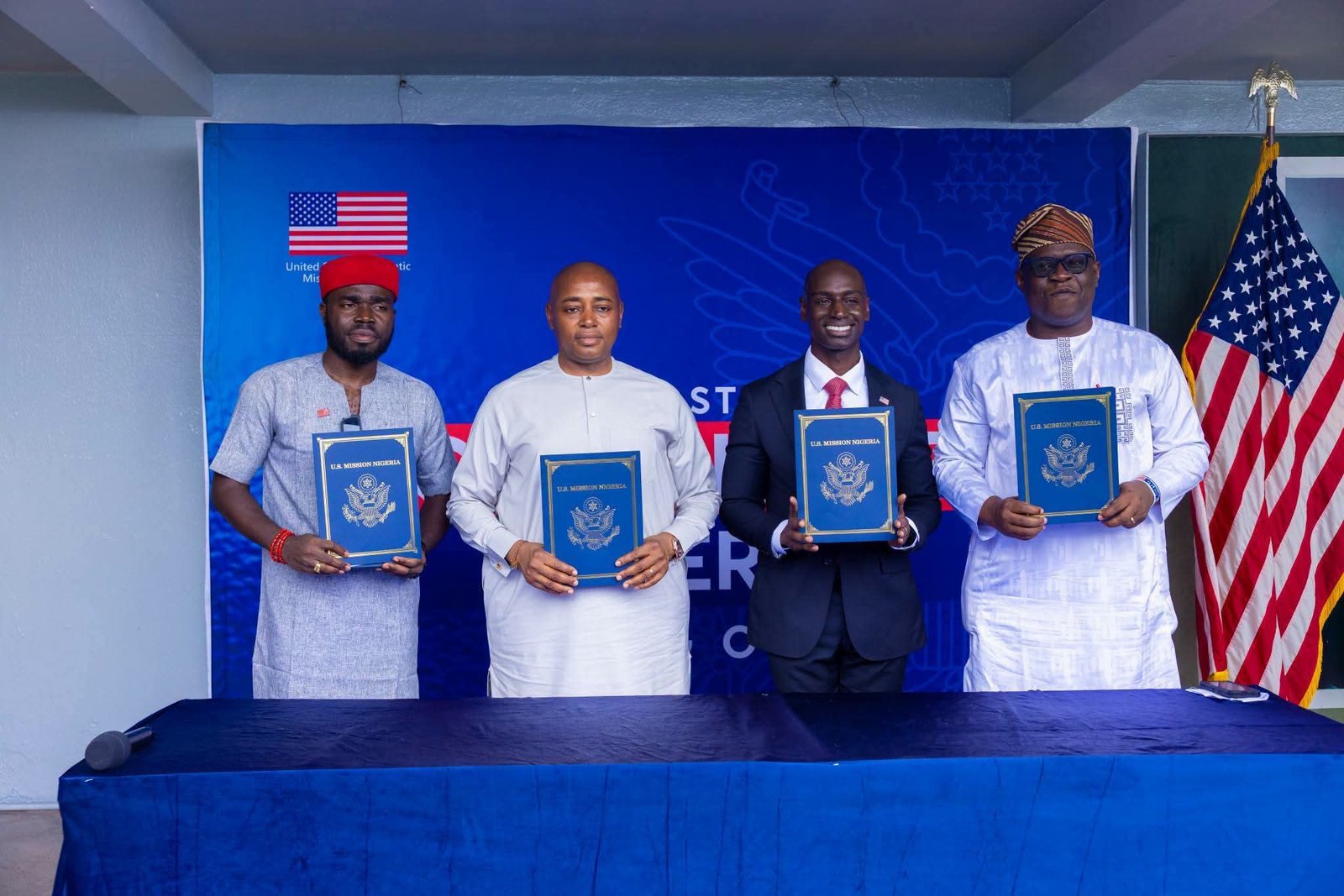
The grant was launched at the National Museum in Onikan, Lagos, in the presence of the U.S. Consul General, Brandon Hudspeth, Deputy Governor of Enugu State, Ifeanyi Ossai, and representatives of relevant heritage institutions.
The project is expected to combine physical conservation with digital documentation to protect the archaeological site from environmental degradation and other threats.
Representing Governor Peter Mbah at the ceremony, Ossai described the intervention as an important milestone in efforts to preserve Enugu State’s cultural heritage.
He said the people of Lejja must remain central to the preservation process, noting that their knowledge and participation would be critical to the site’s long-term sustainability.
Ossai also disclosed that the Enugu State Government was preparing an Executive Bill to be presented to the State House of Assembly to establish a legal framework for the protection, preservation and administration of the archaeological site.
He assured the Centre for Memories of the state’s continued collaboration in documenting and promoting Lejja’s heritage.
The Lejja site is regarded as one of the significant ancient iron-smelting locations in southeastern Nigeria, with archaeological evidence dating to approximately 2000 BCE.
Speaking at the launch, U.S. Consul General Brandon Hudspeth said the project would help ensure that the history associated with the site is not lost.
He said the combination of conservation and digital documentation would help preserve physical heritage sites for future generations.
The intervention is expected to deepen research, public understanding and documentation of Lejja’s contribution to Nigeria’s technological and cultural history, while creating a stronger basis for the long-term preservation of the site and its heritage.